

How to Fade Dark Spots and Hyperpigmentation Fast

Oritim Beauty
Good skincare starts with good information. That’s why Oritim creates practical beauty guides, product recommendations, and skincare tips to help you shop smarter and care for your skin with confidence.

Content Tracker
The content on the Oritim Blog is for informational purposes only and should not be considered medical advice. While we strive for accuracy, individual results may vary. Please consult a qualified professional for any health or skincare concerns.
Table of Contents
A few years ago I got one stubborn acne breakout right on my cheek and figured, fine, it’ll disappear in a week or two. The pimples did. The dark marks? They stayed around like they were paying rent.
That’s the annoying thing about hyperpigmentation. Sometimes the actual acne isn’t even the problem anymore. It’s the little reminders it leaves behind.
Anyway, if you’re trying to fade dark spots fast, there are a few things that actually make a difference and a bunch of things that mostly waste your time.
The thing nobody wants to hear
The first thing I learned is that fading hyperpigmentation quickly doesn’t mean overnight. I know. Not exciting.
Most dark spots need a few weeks to start noticeably improving, especially if they’re deep or you’ve had them for months. But if you’re using the right ingredients consistently, you can absolutely speed things up.
The mistake I see a lot of people make is jumping between products every few days because they don’t see instant results. Then they end up irritating their skin, which creates even more pigmentation. It’s like your skin is trying to help and and you’re accidentally making it work overtime.
Alpha arbutin deserves more attention
If I had to recommend one ingredient for dark spots, alpha arbutin would be near the top of my list.
It works by helping reduce excess melanin production, which is basically what’s causing those darker patches in the first place. It’s also generally easier on the skin than some stronger brightening ingredients.
One product I’ve been liking for this is the Hyper Beauty Alpha Arbutin Essential Face Toner from Oritim. What I appreciate about it is that it doesn’t feel heavy or sticky, which makes it easier to actually keep using every day.
And that’s the boring secret, really. Consistency beats intensity most of the time.
Your cleanser matters more than people think
I used to think cleansers were just… cleansers. Wash face, rinse, move on.
But if you’re dealing with acne marks and ongoing breakouts, the right facial wash can make a huge difference. New acne often creates new dark spots, so preventing breakouts helps stop the cycle before it starts.
The Hyper Beauty Acne and Pimples Facial Wash is a solid option if you’re dealing with both active acne and post-acne marks. Keeping your skin clean without stripping it dry gives your skin a better environment to heal.
Which brings me to something people forget.
Stop irritating your skin
Seriously, don’t do that.
Sometimes someone is using three exfoliating acids, a scrub, a brightening serum, and some random DIY lemon treatment they saw online. Then they’re wondering why the pigmentation looks darker.
I was thinking maybe there’s some complicated explanation here well, it doesn’t matter, the point is irritated skin often responds by producing more pigmentation.
Gentle skincare usually wins.
If your face feels tight, stings constantly, or looks red all the time, that’s not a sign the products are “working harder.”
Sunscreen is non-negotiable for me
I know sunscreen gets mentioned in every skincare conversation. There’s a reason.
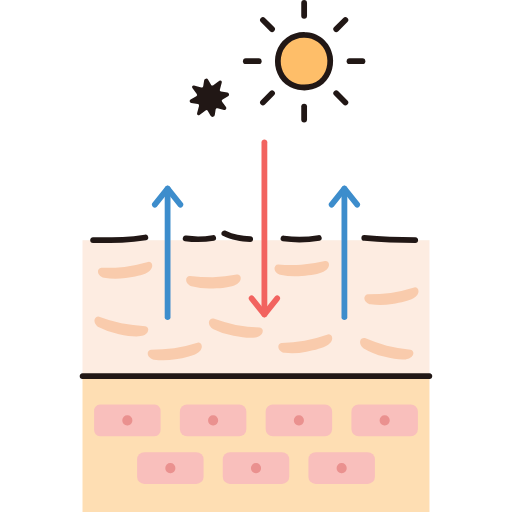
You can spend months treating dark spots, then undo a lot of that progress by skipping sunscreen regularly. UV exposure encourages pigmentation to stick around longer and sometimes become darker.
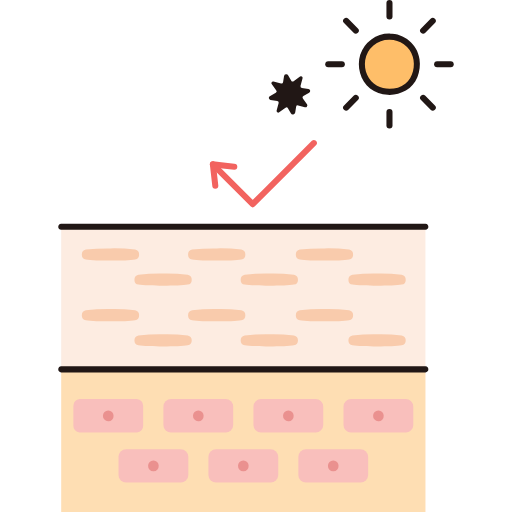
Even if you’re using brightening products like alpha arbutin, sunscreen is what helps protect the progress you’re making.
Honestly, this was probably the step I ignored the longest. Big mistake for me.
Rice-based products can help too
One ingredient category that seems to be getting more attention lately is rice extract.
The Hyper Beauty Rice Face Toner from Oritim is worth looking at if your goal is brighter, more even-looking skin. Rice-based skincare has been popular in different parts of the world for ages, and many people find it helps improve dullness while supporting a smoother complexion.
It’s not some magic overnight fix, but then again nothing really is.
Patience, but not forever
One thing I’d tell anyone dealing with hyperpigmentation is to give products enough time to work but not endless time.
If you’ve been consistently using a product for two or three months and you’re seeing absolutely no improvement, it might be time to try something else.
Most people start noticing gradual changes before then, even if it’s just that spots seem a little lighter in certain lighting.
That’s actually how I noticed improvement the first time. One morning I caught my reflection in a store window and realized the marks I’d been obsessing over looked… less obvious. Not gone. Just quieter somehow.
Funny enough, that’s usually how skin progress happens. Not with some dramatic before-and-after moment. More like one day you realize you’re not checking the mirror every five minutes anymore, and that’s when you know something’s working. I hope you learnt a thing or two from all what i have been saying. If you have any questions share it on the comment section, I will be glad to help you out.
Share post:
The content on the Oritim Blog is for informational purposes only and should not be considered medical advice. While we strive for accuracy, individual results may vary. Please consult a qualified professional for any health or skincare concerns.
Table of Contents
I need help with …



Discover More
I keep coming back to Alpha Arbutin whenever someone asks…
A few years ago I got one stubborn acne breakout…

Honestly, I wasn’t even planning to write about acne products…
As the beauty industry moves deeper into 2026, consumer expectations…